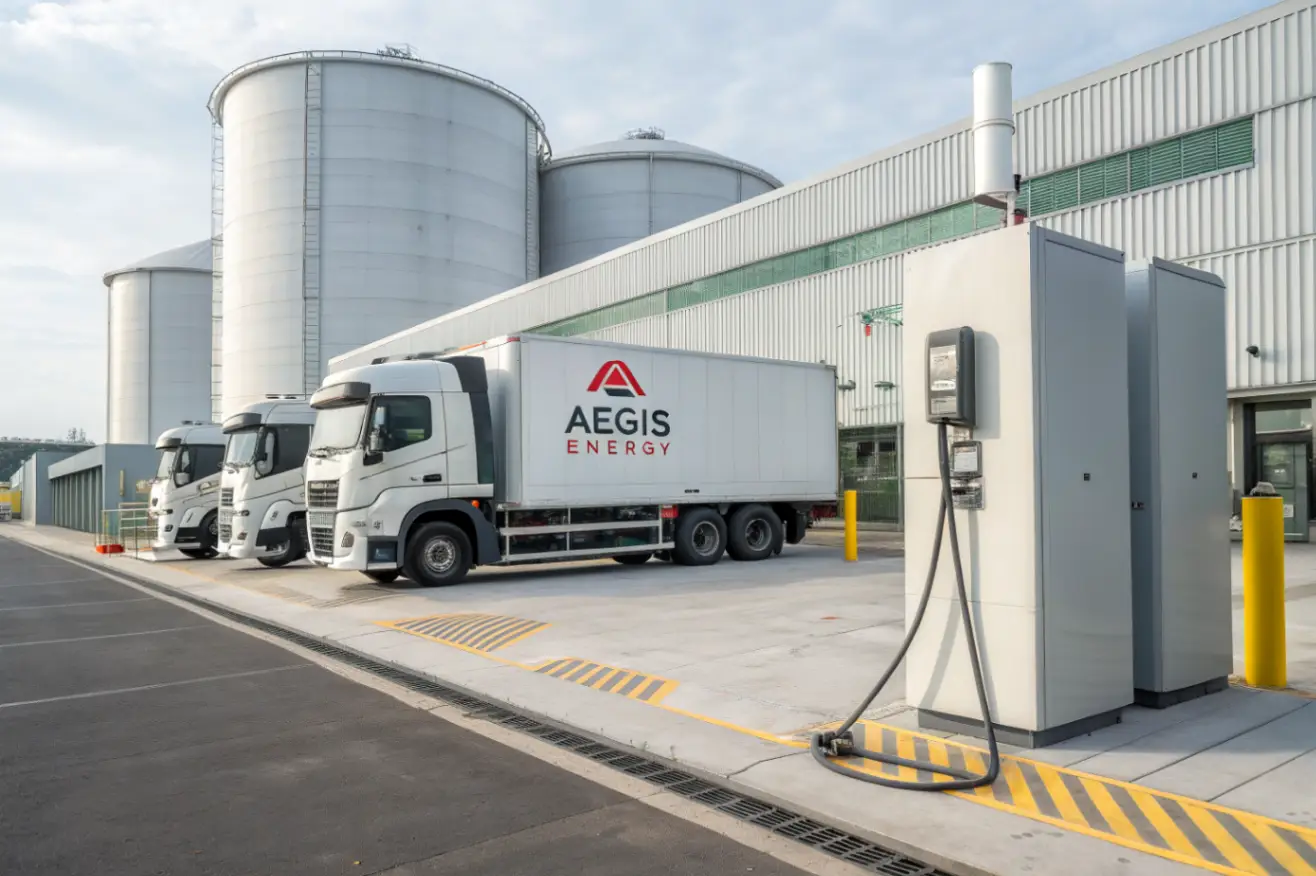
The rapid electrification of transport is transforming logistics and freight industries across the world. Governments are tightening emissions standards, cities are introducing low-emission zones, and logistics companies are searching for ways to reduce operational costs while improving sustainability. In this environment, electric trucks are emerging as a key solution for the future of freight transport.
However, the success of electric heavy-duty vehicles depends not only on the trucks themselves but also on the infrastructure that supports them. Charging networks, energy management systems, and large-scale logistics energy hubs are becoming just as important as the vehicles on the road. One of the companies drawing increasing attention in this space is Aegis Energy, which is developing infrastructure designed specifically for electric truck fleets.
The year 2026 marks a turning point where infrastructure expansion, battery technology improvements, and large-scale fleet adoption begin to converge. Understanding how electric truck infrastructure works—and how companies like Aegis Energy are shaping it—provides insight into the future of global logistics.
The Rise of Electric Trucks in Global Logistics
Electric trucks are no longer experimental vehicles. Over the past decade, manufacturers have invested heavily in battery technology, powertrain efficiency, and large-scale production capabilities. Companies such as Tesla, Volvo, Daimler, and BYD have introduced heavy-duty electric models capable of long-distance transport.
Several key factors are accelerating the adoption of electric trucks.
First, environmental regulations are becoming stricter. Many countries have introduced emissions targets for freight transport, and some cities plan to ban diesel trucks entirely within the next decade. Electric trucks offer logistics companies a clear path to compliance with these policies.
Second, operational costs are increasingly favorable for electric vehicles. Electricity is often cheaper than diesel fuel, and electric trucks have fewer moving parts, which reduces maintenance expenses. For large fleets, these savings can become significant over time.
Third, battery technology continues to improve. Energy density is increasing, charging speeds are rising, and the cost per kilowatt-hour continues to fall. These advancements allow electric trucks to travel longer distances and charge faster, making them more practical for long-haul freight operations.
Another important driver is the growing demand from customers for sustainable supply chains. Many large retailers and manufacturers now require logistics partners to reduce carbon emissions. Electric truck fleets are becoming a key part of corporate sustainability strategies.
By 2026, electric trucks are no longer viewed as a niche technology. They are becoming a fundamental component of modern logistics infrastructure.
Charging Infrastructure for Electric Truck Fleets
One of the biggest challenges for electric trucks is building charging infrastructure capable of supporting heavy-duty vehicles. Unlike passenger cars, trucks require significantly more power and longer charging times, which means infrastructure must be designed at an industrial scale.
Charging stations for electric trucks often operate at megawatt levels of power. These facilities need advanced grid connections, energy storage systems, and intelligent load management to prevent strain on electrical networks.
Below is a simplified overview of the main types of charging solutions used for electric truck fleets.
| Charging Type | Typical Power Output | Use Case |
|---|---|---|
| Depot charging | 150–350 kW | Overnight fleet charging at logistics hubs |
| Fast highway charging | 500 kW – 1 MW | Long-distance transport corridors |
| Megawatt charging systems (MCS) | 1 MW+ | Heavy long-haul electric trucks |
| Battery swap systems | Variable | High-frequency fleet operations |
Depot charging is currently the most common solution. Trucks return to a central logistics hub where they charge overnight. This system works well for urban delivery fleets that operate on predictable schedules.
Highway fast charging stations are becoming increasingly important for long-distance freight. These stations allow electric trucks to recharge during driver rest periods, which helps integrate charging into existing logistics workflows.
Megawatt charging systems represent the next stage of infrastructure development. These ultra-powerful chargers are designed specifically for heavy trucks and can dramatically reduce charging times.
Battery swapping, although less widespread, remains an alternative approach for certain fleet models. Instead of waiting for a battery to charge, the entire battery pack is replaced with a fully charged unit.
The expansion of these infrastructure solutions is essential for scaling electric truck adoption worldwide.
The Role of Aegis Energy in Electric Truck Infrastructure
As the demand for electric freight transport grows, specialized infrastructure companies are emerging to support the transition. One of the most promising players in this field is Aegis Energy, which focuses on building energy hubs designed for commercial electric fleets.
Unlike traditional charging networks that target passenger vehicles, Aegis Energy develops infrastructure specifically optimized for logistics operations. These facilities combine high-power charging, energy storage, and fleet management technologies in a single integrated system.
The company’s approach focuses on solving several critical challenges for fleet operators:
- High-power charging infrastructure designed for heavy-duty vehicles.
- Smart energy management systems that balance electricity demand.
- Integration with logistics hubs and freight corridors.
- Renewable energy integration for lower carbon emissions.
- Scalable charging networks for expanding electric fleets.
These solutions allow logistics companies to transition to electric trucks without building their own complex charging infrastructure from scratch. Instead, they can rely on dedicated energy hubs that support multiple fleets and transport companies.
Another important advantage of this model is grid stability. Large charging stations can place enormous demand on electrical infrastructure, but Aegis Energy uses energy storage systems and smart load balancing to manage electricity consumption efficiently.
This integrated approach positions companies like Aegis Energy as a key part of the electric logistics ecosystem.
Smart Energy Hubs and the Future of Freight Transport
Electric truck infrastructure is evolving beyond simple charging stations. The next generation of logistics energy infrastructure consists of smart energy hubs that combine multiple technologies in a single location.
These hubs function as advanced logistics energy centers that serve large fleets operating in regional transport networks. Instead of relying solely on grid electricity, many energy hubs integrate renewable energy sources such as solar or wind power.
Energy storage systems play an important role in these facilities. Batteries can store energy during periods of low demand and release it during peak charging hours, helping stabilize electricity consumption.
Another innovation is the use of intelligent charging algorithms. These systems schedule charging sessions based on fleet needs, electricity prices, and grid capacity. This ensures that vehicles charge efficiently without overwhelming power infrastructure.
In addition to charging, many future logistics hubs will provide additional services such as vehicle diagnostics, battery maintenance, and fleet data management. These integrated services allow logistics companies to optimize operations while reducing downtime.
As electric trucks become more common, these smart energy hubs will likely become the backbone of sustainable freight transport.
Challenges in Scaling Electric Truck Infrastructure
Despite the rapid progress of electric trucks, several challenges still need to be addressed to support large-scale adoption.
One major issue is the cost of infrastructure development. High-power charging stations require significant investment in grid connections, transformers, and energy storage systems. Building these facilities across entire transport networks requires coordinated investment from both private companies and governments.
Another challenge involves electrical grid capacity. Large logistics hubs may require several megawatts of power, which can place significant strain on local power networks. Upgrading electrical infrastructure often requires regulatory approval and long construction timelines.
Charging standardization is also an important issue. While the Megawatt Charging System (MCS) is becoming the emerging standard for heavy trucks, different manufacturers still use varying charging systems. Industry alignment will be necessary to ensure compatibility across fleets.
Battery production capacity is another factor affecting electric truck adoption. Large batteries require substantial amounts of lithium, nickel, and other raw materials. Expanding sustainable supply chains for these materials is essential for long-term growth.
Finally, fleet operators must adapt their logistics strategies. Charging schedules, route planning, and energy management become critical components of operations when switching from diesel to electric vehicles.
Addressing these challenges will require collaboration between governments, vehicle manufacturers, energy providers, and logistics companies.
Electric Truck Infrastructure Trends for 2026 and Beyond
The year 2026 is expected to bring several important developments in electric truck infrastructure.
First, megawatt charging networks will begin expanding along major freight corridors. These networks will allow electric trucks to travel long distances between logistics hubs without range limitations.
Second, energy companies and infrastructure providers will continue building specialized truck charging facilities. Instead of adapting passenger car charging networks, the industry is increasingly designing infrastructure specifically for commercial fleets.
Third, renewable energy integration will become a major focus. Logistics companies are under pressure to reduce their carbon footprints, and combining electric trucks with renewable electricity offers a powerful solution.
Fourth, digital fleet management platforms will become tightly integrated with charging infrastructure. These platforms will monitor vehicle energy consumption, schedule charging sessions, and optimize routes based on charging availability.
Finally, partnerships between energy providers and logistics companies will become more common. Building large-scale charging infrastructure requires collaboration across industries, and joint ventures will likely play a key role in future expansion.
As these trends continue, electric trucks will become an increasingly practical and competitive alternative to traditional diesel fleets.
Conclusion
Electric trucks are rapidly reshaping the logistics industry. Improvements in battery technology, growing environmental regulations, and rising demand for sustainable transport are pushing the freight sector toward electrification.
However, vehicles alone are not enough to transform logistics. The supporting infrastructure—charging stations, energy hubs, and intelligent energy management systems—is equally important. Companies like Aegis Energy are helping build this infrastructure, providing the foundation that electric truck fleets need to operate efficiently.
By 2026, electric truck infrastructure is expected to expand significantly across major freight corridors and logistics hubs. As energy networks evolve and new technologies emerge, electric freight transport may soon become the dominant model for sustainable logistics.
The transition is still underway, but the direction is clear: the future of freight transport will be electric, intelligent, and energy-efficient.