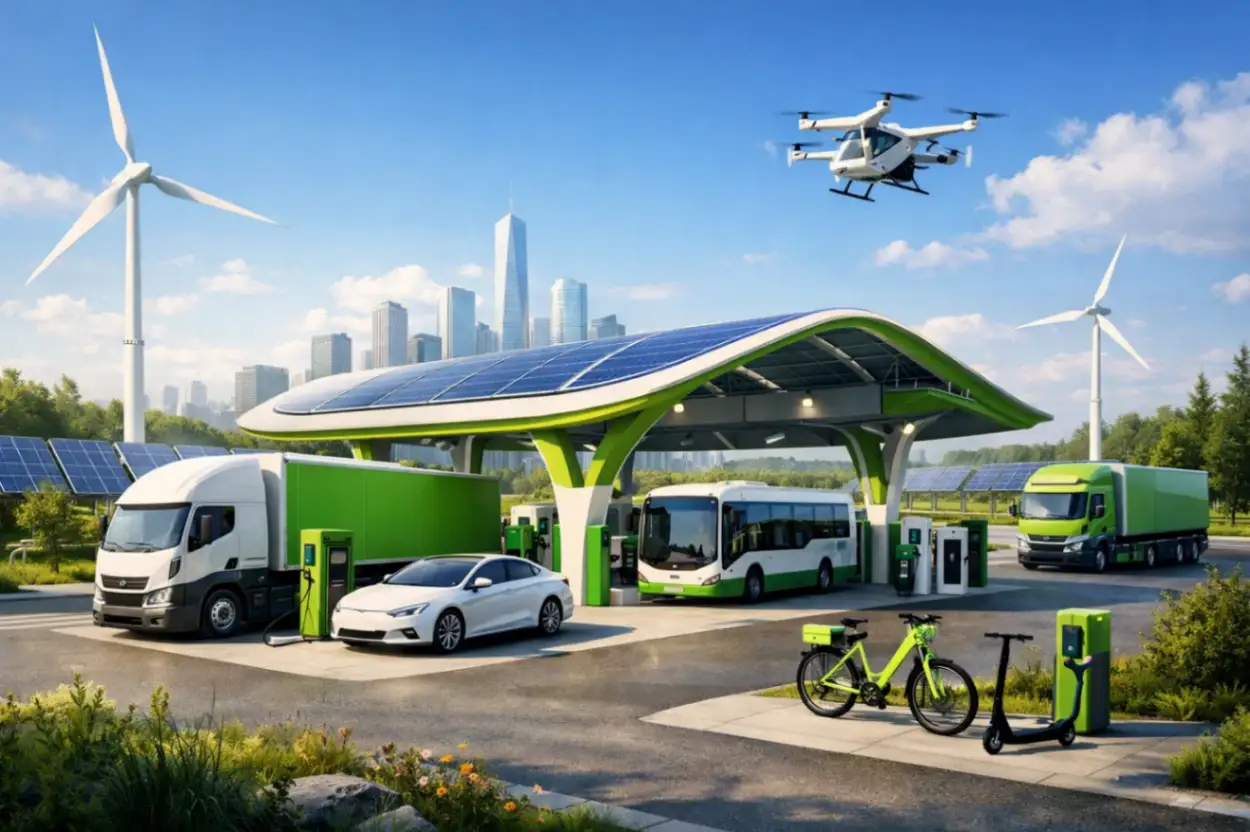
The transition to sustainable mobility is no longer a distant goal but an active shift reshaping infrastructure, urban planning, and energy systems. AEGIS Energy is stepping into this transformation with a clear focus: building integrated hubs designed specifically for green transport. These hubs are not just charging points or refueling stations but ecosystems that support electric vehicles, hydrogen mobility, and future-ready transport solutions.
As cities face growing pressure to reduce emissions while maintaining efficient logistics and mobility, the idea of centralized, intelligent infrastructure becomes increasingly relevant. AEGIS Energy’s initiative reflects a broader movement toward interconnected systems where energy, transport, and digital technology converge.
The vision behind aegis energy hubs
AEGIS Energy is positioning its hubs as a response to fragmented infrastructure. In many regions, charging stations, hydrogen refueling points, and logistics support facilities operate independently, creating inefficiencies for both private users and commercial fleets. By bringing these elements together into unified hubs, the company aims to simplify operations and accelerate adoption.
The concept revolves around accessibility and scalability. Instead of building isolated charging points, AEGIS focuses on locations where transport demand is already high: logistics corridors, urban outskirts, and industrial zones. This approach ensures that the infrastructure is not only used but becomes an essential part of daily operations.
Another important aspect of the vision is adaptability. Transport technologies are evolving quickly, and infrastructure must keep pace. AEGIS hubs are designed to accommodate multiple energy types, allowing them to remain relevant even as dominant technologies shift over time.
Infrastructure designed for multiple technologies
One of the defining features of AEGIS Energy hubs is their multi-energy capability. Rather than committing to a single solution, the company integrates several systems into one location, making the hubs flexible and future-proof.
Electric vehicle charging remains a core component, with high-speed chargers capable of serving both passenger cars and heavy-duty trucks. At the same time, hydrogen refueling stations are included to support fuel cell vehicles, which are gaining traction in long-haul transport and industrial applications.
Battery swapping and energy storage systems also play a role. These technologies reduce downtime for vehicles and help stabilize energy demand, particularly during peak usage periods. The integration of storage solutions allows hubs to balance load efficiently, reducing strain on the grid.
The infrastructure typically includes:
- Fast and ultra-fast EV charging stations designed for different vehicle classes.
- Hydrogen refueling systems tailored for commercial transport needs.
- On-site energy storage units that manage peak demand and supply fluctuations.
- Digital platforms that coordinate usage, billing, and energy optimization.
This layered approach ensures that users can rely on a single location for multiple needs, improving convenience while supporting broader sustainability goals.
Impact on logistics and commercial transport
Commercial transport stands to benefit significantly from the development of these hubs. Logistics companies face increasing pressure to reduce emissions while maintaining delivery speed and reliability. AEGIS Energy hubs provide a practical pathway to meet these demands without compromising operational efficiency.
Fleet operators can plan routes around reliable energy access points, reducing uncertainty and downtime. The presence of both electric and hydrogen options allows companies to choose technologies that best suit their specific routes and load requirements.
Urban delivery networks also gain an advantage. As cities introduce stricter emissions regulations, access to centralized green infrastructure becomes critical. AEGIS hubs located near city boundaries enable last-mile delivery vehicles to recharge or refuel before entering restricted zones.
Beyond energy supply, these hubs often include additional services such as maintenance areas, rest zones for drivers, and logistics coordination tools. This creates a more holistic environment where transport operations can run smoothly.
Economic and environmental implications
The rollout of AEGIS Energy hubs has both economic and environmental dimensions. On the economic side, the development of such infrastructure creates new opportunities for investment, job creation, and technological innovation.
Local economies benefit from construction and maintenance activities, while technology providers gain a platform to deploy advanced solutions. The presence of reliable green infrastructure can also attract businesses that prioritize sustainability, strengthening regional competitiveness.
Environmentally, the impact is more direct. By supporting electric and hydrogen vehicles, these hubs contribute to reducing greenhouse gas emissions and improving air quality. The integration of renewable energy sources further enhances their sustainability profile.
Before exploring the operational characteristics in detail, it is useful to look at how these hubs compare to traditional energy infrastructure.
| Feature | Traditional fuel stations | AEGIS energy hubs |
|---|---|---|
| Energy types | Fossil fuels only | Electric, hydrogen, storage |
| Infrastructure flexibility | Limited | High adaptability |
| Environmental impact | High emissions | Reduced emissions |
| Integration with digital systems | Minimal | Advanced and connected |
| Support for logistics | Basic | Comprehensive services |
This comparison highlights the shift from single-purpose infrastructure to multifunctional systems. AEGIS hubs are not simply replacements for fuel stations but represent a broader transformation in how energy and transport interact.
The broader implication is a move toward resilience. By diversifying energy sources and integrating digital management, these hubs reduce dependency on a single system and improve overall stability.
Challenges and implementation strategies
Despite the promise of AEGIS Energy hubs, their development comes with challenges that require careful planning. One of the main obstacles is the high initial investment needed to build multi-energy infrastructure. Combining charging systems, hydrogen technology, and storage solutions requires significant capital and coordination.
Regulatory frameworks also play a crucial role. Different regions have varying standards for energy systems, safety requirements, and environmental compliance. Navigating these regulations can slow down deployment, particularly in areas where policies are still evolving.
Another challenge lies in user adoption. While electric vehicles are becoming more common, hydrogen technology is still in its early stages. Encouraging widespread use requires not only infrastructure but also confidence from businesses and consumers.
AEGIS Energy addresses these challenges through strategic partnerships and phased implementation. By collaborating with governments, energy providers, and logistics companies, the company can share costs and align interests.
Key strategies include:
- Partnering with municipalities to integrate hubs into urban planning.
- Working with fleet operators to ensure consistent demand.
- Leveraging renewable energy providers to supply clean power.
- Expanding gradually, focusing on high-demand regions first.
These steps help mitigate risks while ensuring that each hub operates efficiently from the outset.
The future of green transport ecosystems
The development of AEGIS Energy hubs points toward a future where transport infrastructure is deeply interconnected with energy systems and digital networks. This evolution goes beyond individual technologies and focuses on creating ecosystems that support sustainable mobility at scale.
As adoption grows, these hubs could become central nodes in smart transport networks. Data collected from vehicles, energy systems, and user behavior can be used to optimize operations, reduce congestion, and improve energy efficiency.
The integration of autonomous vehicles is another possibility. Future fleets may rely on hubs not only for energy but also for coordination, maintenance, and data exchange. This would further enhance the role of such infrastructure in shaping modern transport systems.
At the same time, the concept can expand geographically. From urban centers to rural corridors, the flexibility of multi-energy hubs allows them to adapt to different environments and needs.
The long-term vision is clear: a transport system where energy access is seamless, sustainable, and intelligently managed. AEGIS Energy’s approach represents a step toward that reality, offering a model that combines practicality with innovation.
Conclusion
AEGIS Energy is contributing to a fundamental shift in how transport infrastructure is designed and used. By creating hubs that integrate multiple energy solutions, the company addresses both current challenges and future demands.
These hubs simplify the transition to green transport by offering reliable, accessible, and scalable infrastructure. They support logistics, reduce environmental impact, and create new opportunities for economic growth.
The path forward involves overcoming financial, regulatory, and technological challenges, but the direction is already set. As more regions adopt similar models, the concept of centralized, multi-energy hubs is likely to become a standard rather than an exception.
The transformation of transport is not only about vehicles but about the systems that support them. AEGIS Energy’s initiative shows how thoughtful infrastructure can accelerate change and shape a more sustainable future.